
SPECIAL EVENT
Remembering Alice Moretti
Opening concert of the 50th edition
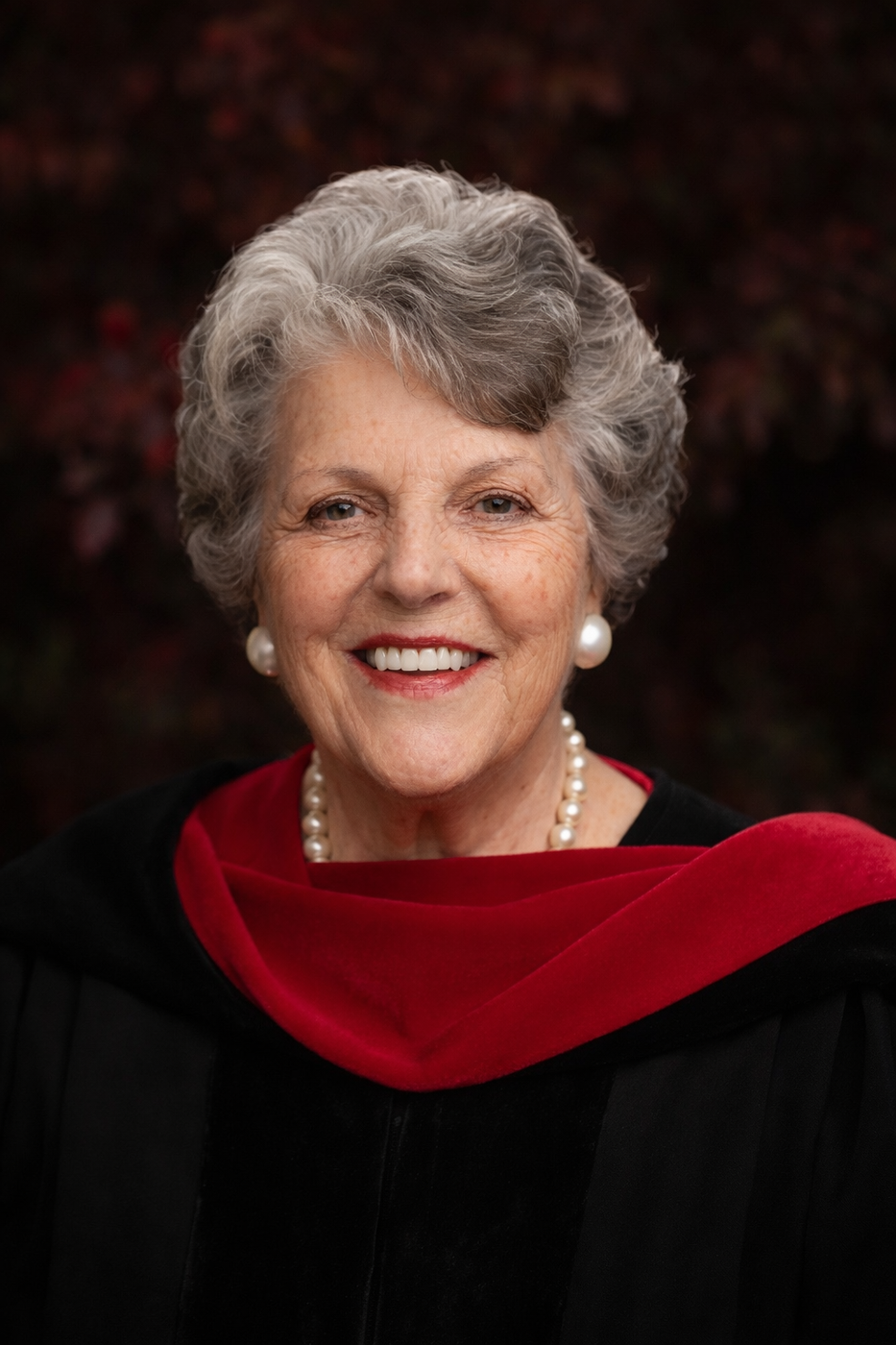
The fiftieth edition of Ceresio Estate opens with great emotion with a concert dedicated to the memory of Alice Moretti, one of the most important figures in the cultural and civic growth of Canton Ticino. Born in Melide on 19 June 1921, a teacher, a pioneer of women’s rights and one of the first eleven women elected to the Ticino Grand Council in 1971, Alice Moretti played a decisive role in the birth of Ceresio Estate. In 1978 she understood the value of Lucienne Rosset’s proposal to extend the experience of Carona Estate beyond the boundaries of the village, contributing to the birth of a new cultural reality destined to become the Ceresio Estate we know today. Her intuition was both simple and revolutionary: to transform churches, courtyards, squares and lakeside villages into spaces for listening, creating a direct relationship between the territory, artistic heritage and great music.
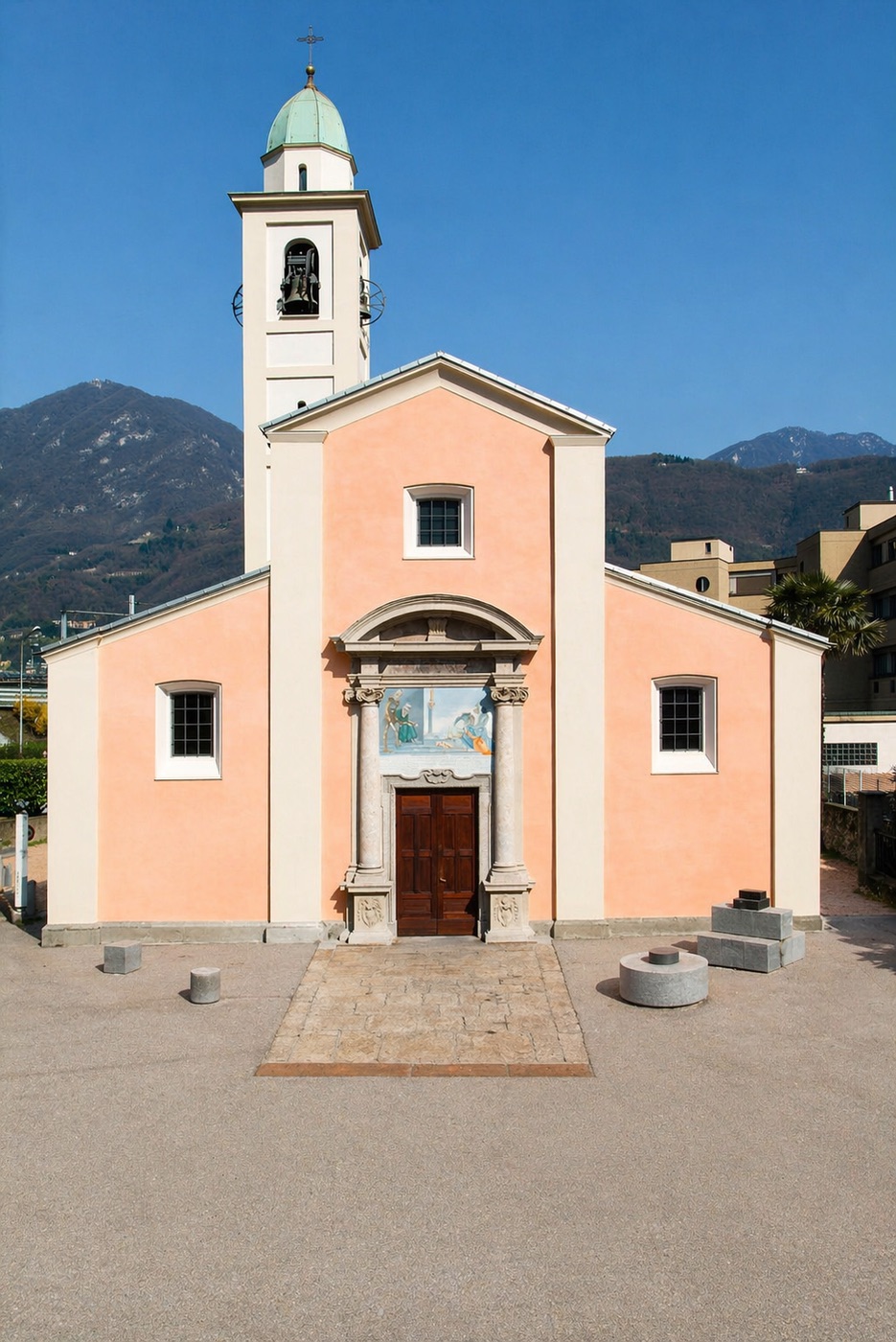
It is therefore in the heart of her village, on the day of her 105th birthday, that this opening evening finds its most natural and symbolic setting. More than a simple opening concert, this evening is an encounter with Alice Moretti, with her cultural vision and with the legacy that continues to live on today in Ceresio Estate. The Church of Saints Quirico and Giulitta preserves not only an important part of Melide’s history, but also the profound bond between the territory and that artistic tradition which, over the centuries, brought Ticinese architects and craftsmen to the great European courts.
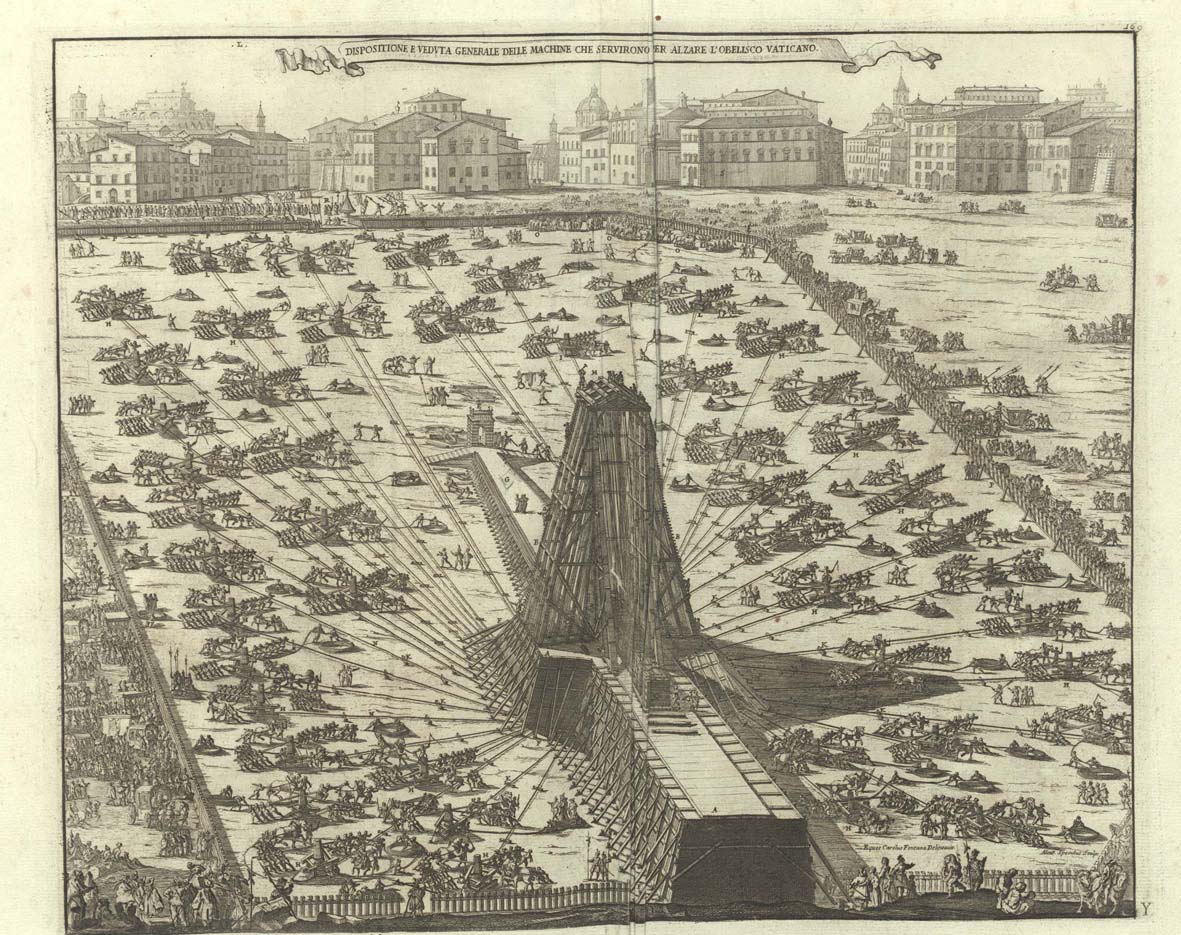
The church owes its present appearance above all to the interventions carried out in the early seventeenth century by the brothers Marsiglio and Domenico Fontana, born precisely in Melide. Domenico Fontana was one of the decisive figures in the Rome of Pope Sixtus V: an architect, urban planner and protagonist of major urban transformations, he contributed to defining the monumental image of the modern city. In Melide, too, that same search for harmony and monumentality remains perceptible today, translated, however, into a more intimate, luminous and deeply spiritual dimension.
The interior of the church preserves a particularly evocative balance between history, art and contemplation. The frescoes, stuccoes and decorations engage in dialogue with more recent interventions, such as the suspended cross by Gianfredo Camesi, a contemporary presence of strong meditative and symbolic tension. In this space stands the Mascioni organ, inaugurated in 2006: an instrument of modest dimensions but extraordinary versatility, appreciated for the clarity of its sound, its rich timbral palette and its ability to blend perfectly with the church’s acoustics. The result is a clear, enveloping and surprisingly orchestral sound, capable of rendering both contrapuntal writing and the most lyrical cantabile with great clarity.
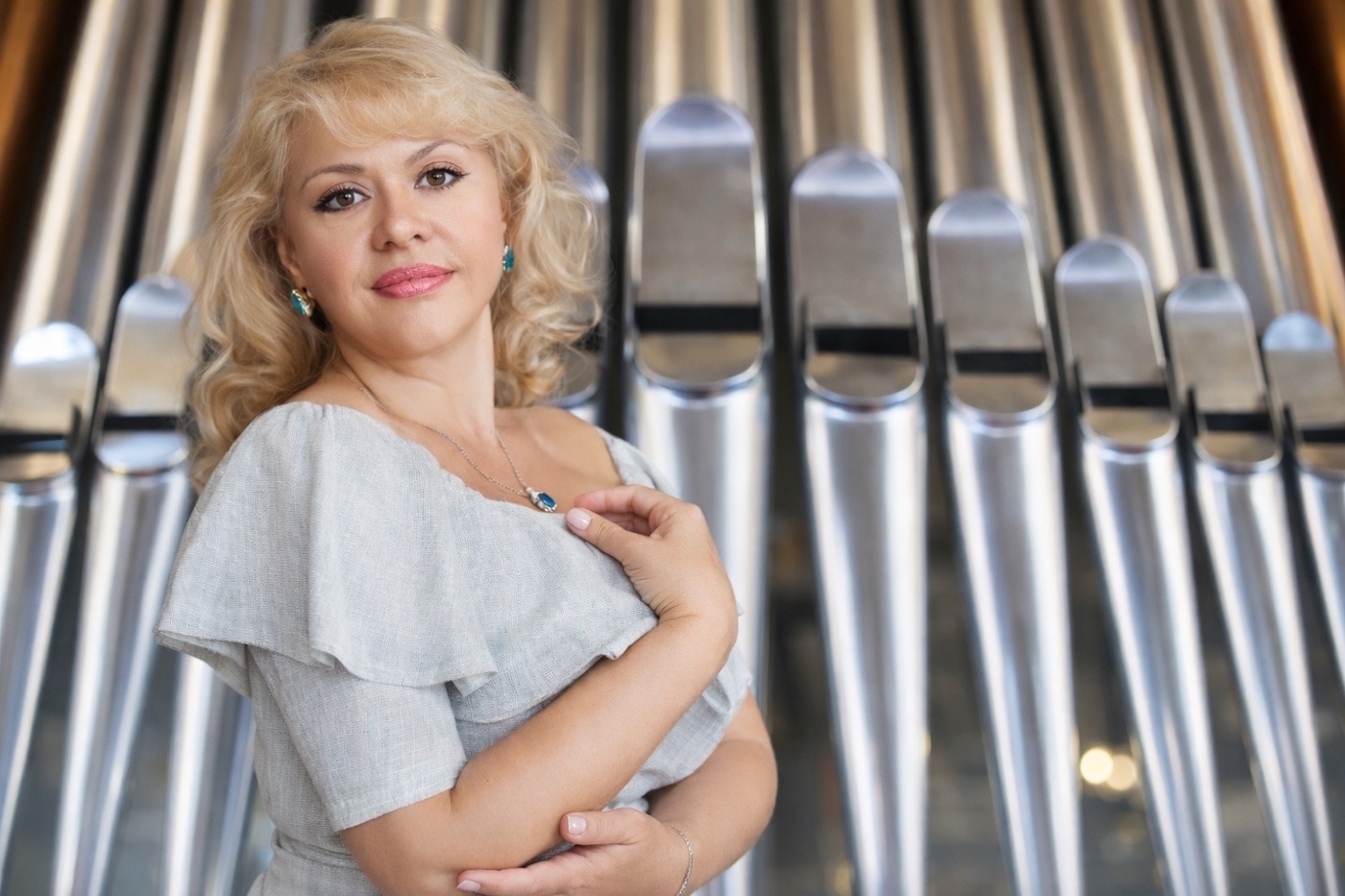
At the organ is Svetlana Berezhnaya, an interpreter appreciated for her musical sensitivity and the depth of her readings, performing a repertoire that revolves around the figure of Johann Sebastian Bach and will be played on the church’s magnificent Mascioni organ. Alongside her is Carlos Pardo Gómez, registrant and artistic collaborator in her international concerts. Often little visible to the public, the registrant plays a fundamental role in organ performance: following the changes of registration required by the score, he contributes to the construction of the sound colour and to the fluidity of the musical discourse.
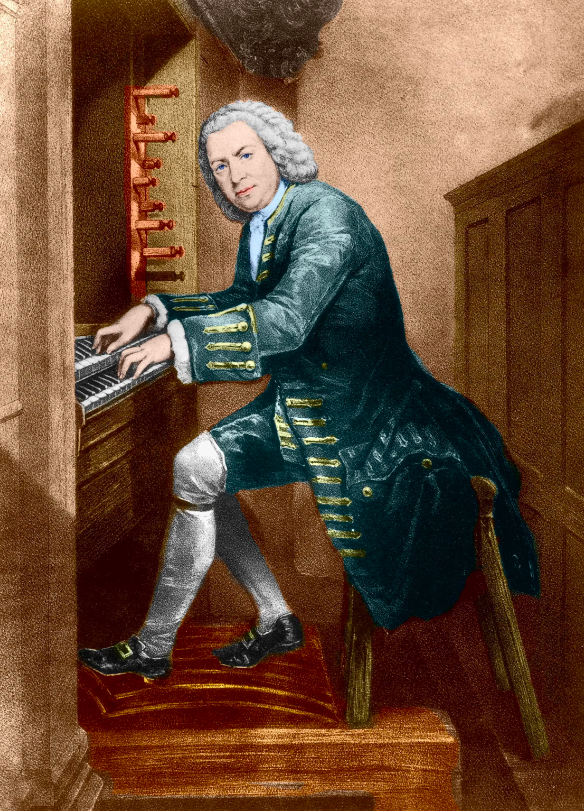
The programme revolves around Johann Sebastian Bach, from the virtuosity of the Italian Concerto to the meditative dimension of the chorales, weaving him together with the Venetian elegance of Baldassare Galuppi, the melancholy intensity of the Adagio attributed to Tomaso Albinoni in the celebrated arrangement by Remo Giazotto, and the contemporary sensitivity of the Notturno by Roberto Di Marino. The conclusion is entrusted to the brilliant Concerto in A minor by Antonio Vivaldi in Bach’s masterly transcription: a return to concertante vitality that transforms the organ into a dynamic, luminous and theatrical sound organism.
BIOGRAPHIES
Svetlana Berezhnaya
Svetlana Berezhnaya is a Russian pianist, organist and harpsichordist, awarded the title of Honoured Artist of the Russian Federation in 2000. Trained at the Gnessin Russian Academy of Music and at the Kazan Conservatory, she continued her organ studies in the Netherlands. Winner of First Prize at the All-Russian Open Organ Competition in 1996, she has performed in major concert halls and cathedrals across Europe, America and Asia. Her repertoire ranges from the Renaissance to contemporary music and includes numerous concertos for organ and orchestra.