The concert will be recorded by Radiotelevisione svizzera italiana
and subsequently broadcast on Rete Due.
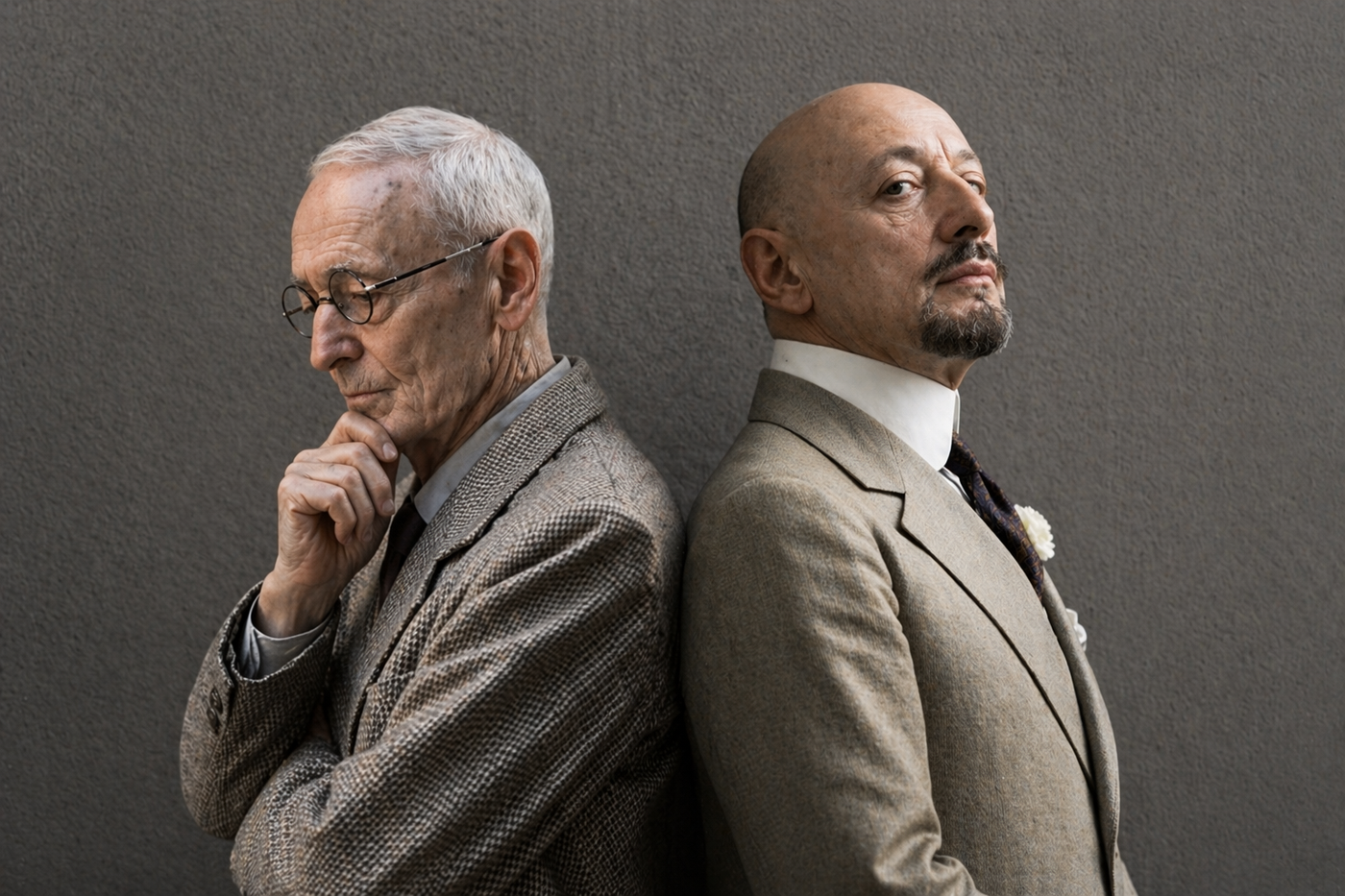
the writers Hermann Hesse and Gabriele D’Annunzio
Hermann Hesse and Gabriele D’Annunzio did not have a true direct relationship, and yet their works seem to represent two opposite directions of the same European restlessness between the nineteenth and twentieth centuries.
Both moved through an age marked by aestheticism, by the crisis of modern man and by the search for a life capable of becoming a spiritual and artistic experience.
But what in D’Annunzio appears as public gesture, theatricality, sensuality and the construction of a personal myth gradually becomes, in Hesse, introspection, silence, meditation and a relationship with nature.
It is no coincidence that Montagnola, overlooking the waters of the Ceresio, became the place of Hesse’s artistic and human maturity.
Here the writer found a secluded and fertile space, far from the noise of the world, where writing, painting and inner reflection eventually merged into a single quest. Even today this landscape preserves something of that silent presence: the lake, the paths, the gardens and the changing light seem to hold a discreet yet living memory.
This concert is born precisely from that contrast and from this invisible closeness.
The nocturnal and sensual atmospheres of the songs by Francesco Paolo Tosti and Pier Adolfo Tirindelli evoke a world still deeply bound to the poetic word as a song of emotion, desire and loving contemplation. D’Annunzio’s night is a night of the senses, made of precious images, languid suspensions and refined unease.
But with Hesse, too, we find ourselves in the evening.
A different evening.
No longer the seductive chiaroscuro of decadent sensitivity, but a more inward, gathered dimension, in which the landscape seems slowly to lose its weight and become meditation. It is the evening of silence, of listening, of nature observed as a spiritual presence. An evening in which time slows down and music seems to question what remains invisible.
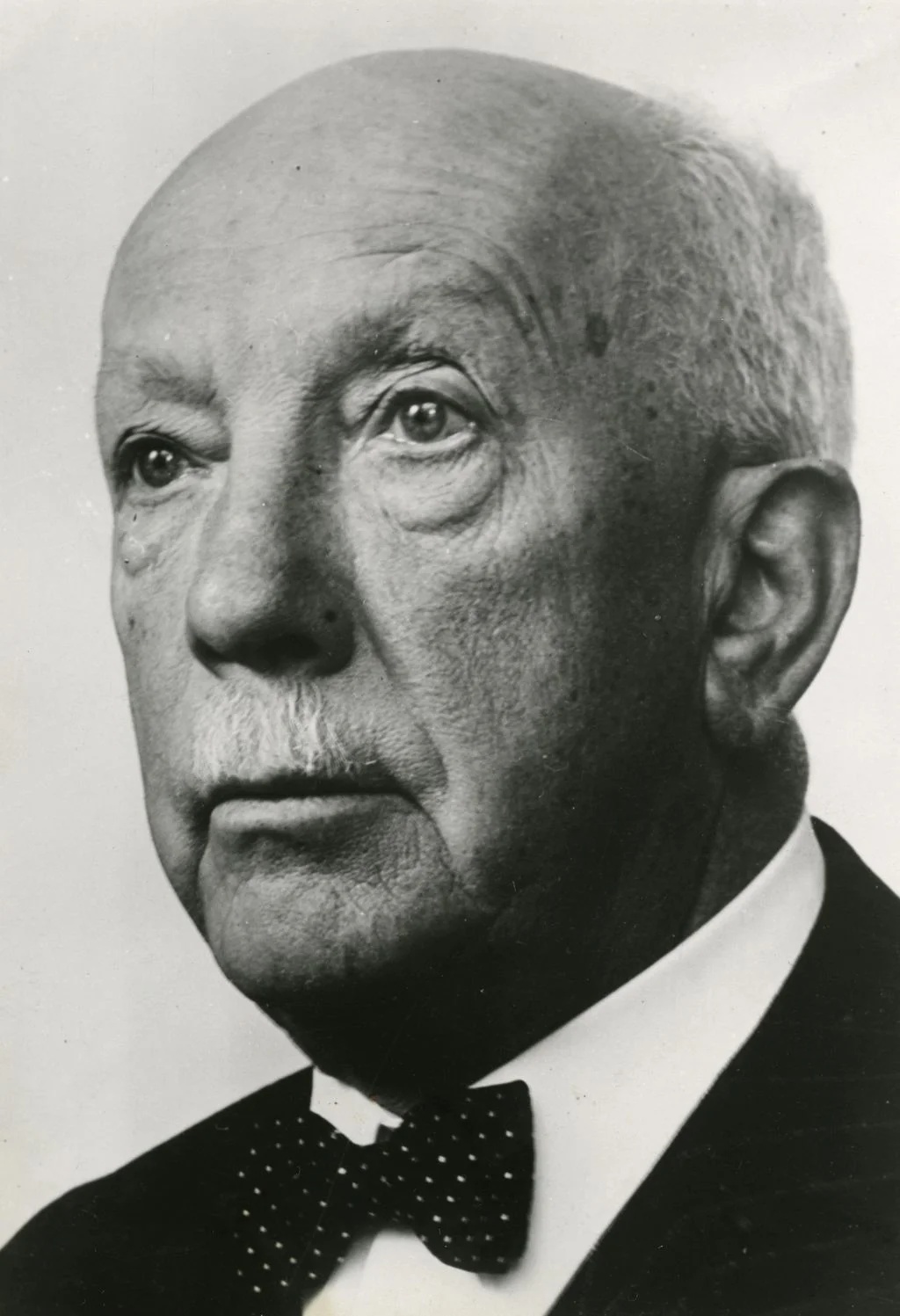
Richard Strauss
With Richard Strauss, the journey changes perspective profoundly.
In the Vier letzte Lieder, time seems almost to dissolve. The voice no longer seeks theatrical gesture but a dimension of gradual rarefaction, in which the relationship between human being, nature and destiny becomes increasingly essential. Hermann Hesse’s texts become here a meditation on passage, sunset and the serene surrender to quietness. There is no tragedy, but a luminous form of acceptance.
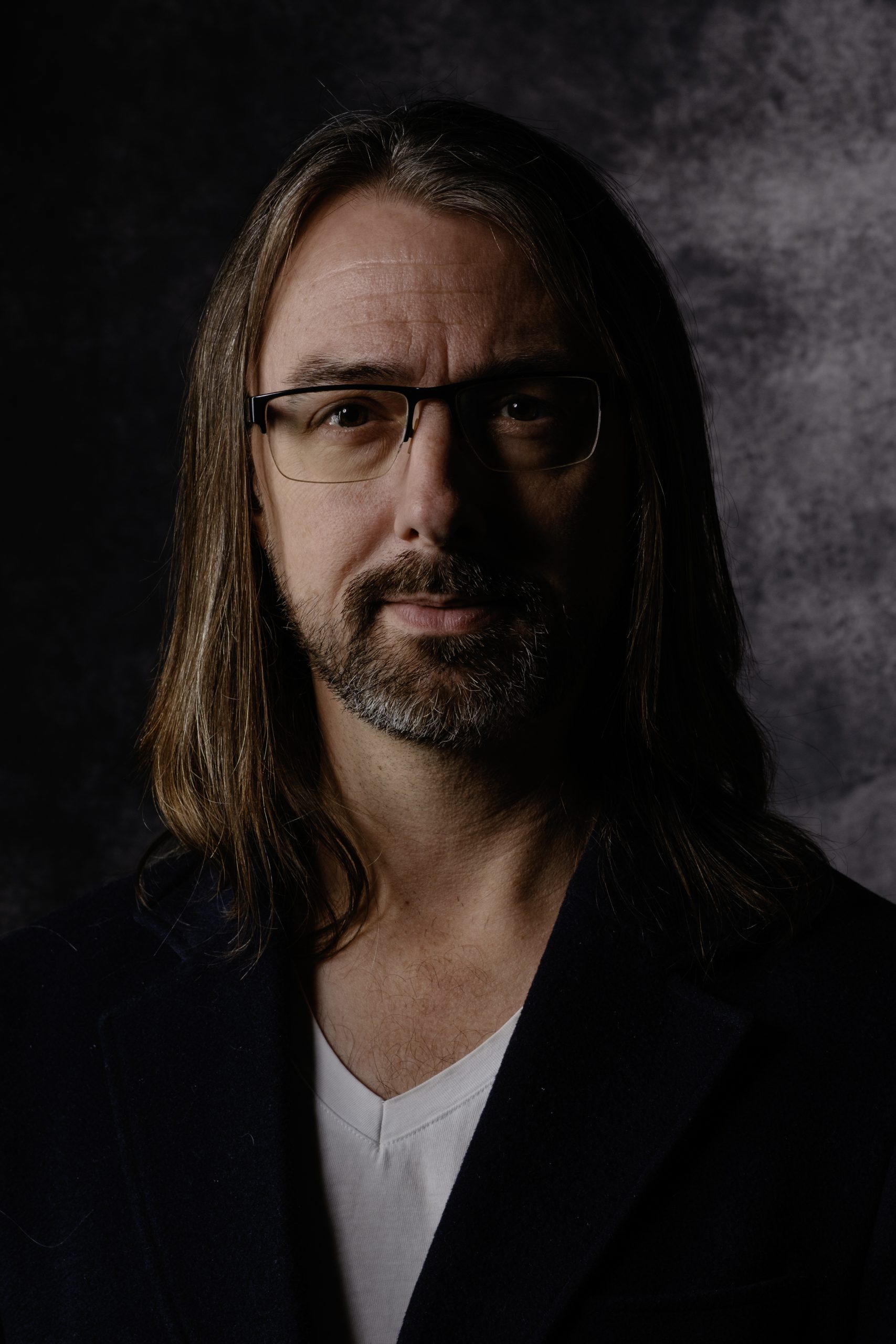
Lee Bradshaw
This poetic legacy is taken up by the contemporary composer Lee Bradshaw, who dedicated Four German Poems by Hermann Hesse to the performers of this evening.
The cycle does not merely continue the Straussian path in spirit; it preserves its suspended and contemplative atmosphere, transforming Hesse’s verses into a new sound world, intimate and inward.
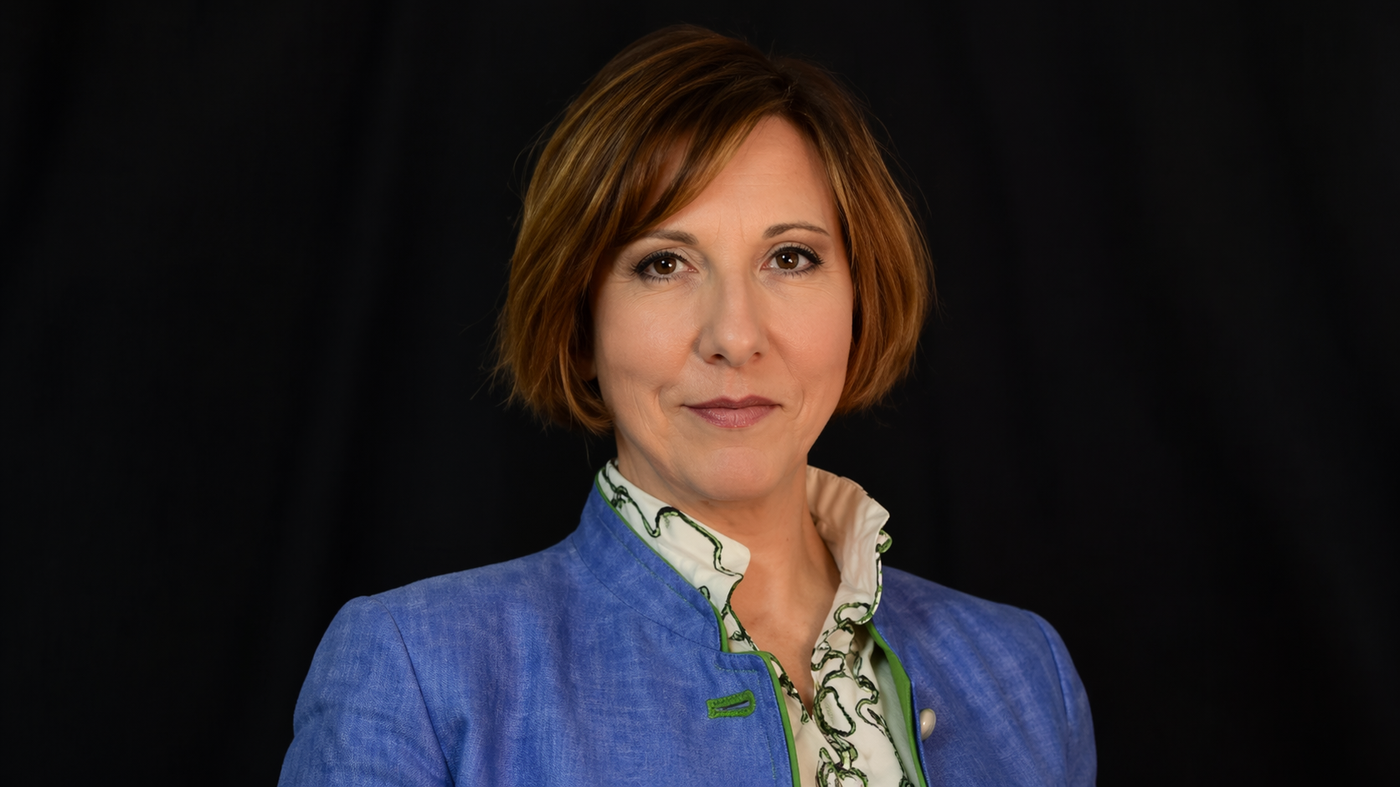
Serena Farnocchia, soprano
Giving voice to this journey is Serena Farnocchia, one of the most admired Italian sopranos of her generation.
Born in Pietrasanta and raised in Versilia, she grew up breathing the atmosphere of the Festival Pucciniano from a very young age, soon beginning a path that would lead her to major international stages.
In 1995 she won the Luciano Pavarotti International Voice Competition, a decisive springboard for her career, and in 1997 she was chosen by Riccardo Muti to make her debut at Teatro alla Scala in Mozart’s Don Giovanni: a debut that marked the beginning of an artistic path of the highest order.
An artist of great musical and theatrical sensitivity, Serena Farnocchia combines technical solidity with a rare expressive authenticity. Her singing avoids all unnecessary artifice and constantly seeks the deep relationship between word, vocal colour and poetic intention.
Alongside her is the pianist Paolo Raffo, an interpreter of refined sensitivity and a trusted partner in the vocal chamber repertoire. His way of accompanying is not limited to pianistic support, but builds a true musical dialogue, able to breathe with the voice and continually shape its sonic space.
The voice of Emanuele Santoro will connect the different stages of the journey. Actor, narrator, voice actor and director, he is one of the most recognisable personalities on the Ticino theatre scene.
His spoken interventions in Italian will guide the audience through the poetic worlds of D’Annunzio and Hesse, creating a natural bridge between word, music and inner landscape.
BIOGRAPHIES
Serena Farnocchia Serena Farnocchia is one of the most admired Italian sopranos of her generation. Over the course of her career she has appeared in leading theatres in Europe and America, distinguished by the elegance of her timbre and the refinement of her interpretation.
Paolo Raffo Pianist, vocal coach and conductor, Paolo Raffo has collaborated with some of the most important figures on the international opera scene. For more than a decade he was vocal coach at the Accademia del Teatro alla Scala and he currently teaches vocal chamber music with piano at the Civica Scuola di Musica Claudio Abbado in Milan.
Emanuele Santoro Actor, director, narrator and voice of RSI since 2003, Emanuele Santoro is one of the most recognisable figures on the Ticino theatre scene. Alongside his stage work, he creates recitals, interpreted readings and projects that bring together theatre, literature and music.